
DWS Meaning in Text: Easy Guide to Its Uses

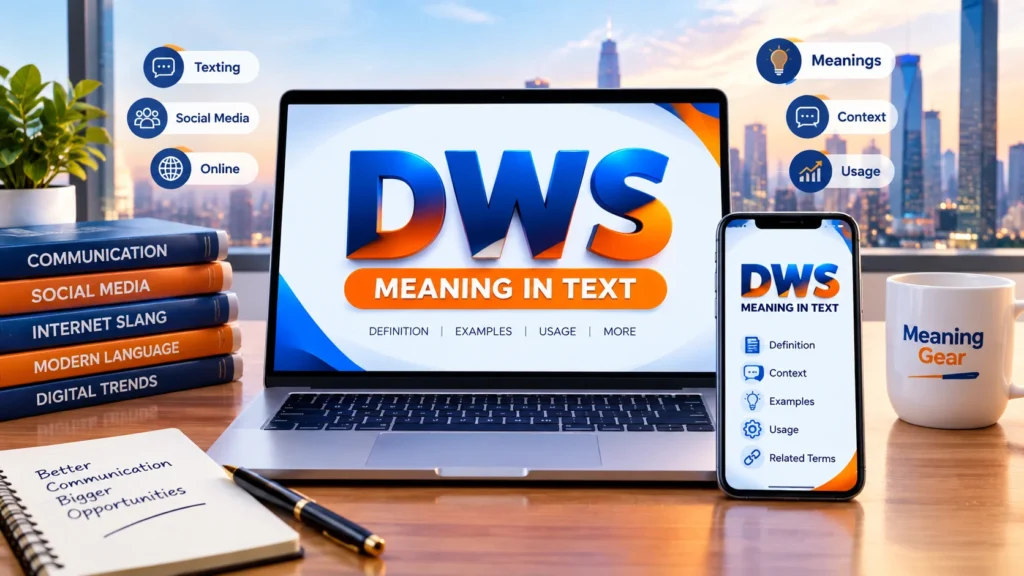
If you have seen DWS meaning in text and wondered what someone meant, the abbreviation can be confusing because its meaning depends on the conversation. In casual texting, DWS can commonly mean “Don’t Worry, Seriously” or “Don’t Worry, Sweetie,” depending on the speaker and context. It is usually used to reassure someone, calm their concern, or show that a situation is not a big deal.
For example:
- “DWS, I’ll handle it.”
- “You’re fine, dws 😊”
The exact interpretation comes from the surrounding message, relationship between the people, and tone of the conversation.
What Does DWS Mean in Texting?
When people search for DWS meaning in text, they are usually trying to understand a short abbreviation used in messages, chats, or social media comments. The most natural interpretation is often related to reassurance, especially when someone is worried, apologizing, or asking whether something caused a problem.
“Don’t worry” is already common texting language, and adding the extra letter can give the message a more personal or emphatic tone. However, DWS is not as universally recognized as abbreviations such as LOL, OMG, or IDK, so context matters.
| DWS Interpretation | Meaning | Typical Use |
|---|---|---|
| DWS | Don’t Worry, Seriously | Reassuring someone |
| DWS | Don’t Worry, Sweetie | Friendly or affectionate conversation |
| DWS | Depends on the Situation | Context-specific usage |
| DWS | Different meaning in another field | Non-texting contexts |
Because abbreviations can be created informally, you should look at the complete conversation before deciding what DWS means.
How DWS Is Used in Real Conversations
The tone of DWS can change depending on who sends it. Between close friends, it may sound casual and reassuring, while someone using it affectionately might intend “Don’t Worry, Sweetie.”
Example 1:
Mia: “Sorry I forgot to send the file 😭”
Sam: “DWS, I already got it.”
Here, DWS works as a quick way to tell the other person not to stress about the mistake.
Example 2:
Alex: “Are you mad that I left early?”
Jen: “Nooo, dws 😂”
The repeated letters and laughing emoji make the response feel relaxed rather than formal.
Example 3:
Sara: “I think I messed everything up.”
Leo: “DWS, seriously. We can fix it.”
In this situation, the abbreviation is followed by a clarification, making the reassuring meaning easier to understand.
The Tone Behind DWS
The emotional purpose behind DWS is usually reassurance. Someone may use it because they want to stop another person from worrying, apologizing repeatedly, or overthinking a situation.
There is also a difference between “DWS” and simply saying “Don’t worry.” The abbreviation makes the message shorter and more suitable for quick texting, while the expanded phrase can feel more deliberate.
If someone writes “DWS!!!” after you apologize, they are probably trying to emphasize that everything is okay. If they write “dws :)”, the lowercase letters and smiley can make the message sound softer.
DWS vs. Similar Texting Expressions
Several expressions can communicate a similar idea, but they are not interchangeable in every situation.
- DW — Usually means “Don’t Worry.”
- DWTS — Can mean “Don’t Worry ’Bout That” in casual texting.
- NVM — Means “Never mind” and does not necessarily reassure someone.
- IDC — Means “I Don’t Care,” which can sound dismissive.
- It’s okay — A straightforward alternative when clarity matters.
Among these, DW is much more widely recognized. DWS may require additional context because different people can use the letters differently.
Common Mistakes When Using DWS
One common mistake is assuming that DWS has one fixed meaning everywhere. Unlike highly established texting abbreviations, DWS can be interpreted differently depending on the person and platform.
Another issue is using it with someone who does not regularly use slang. If the recipient asks what you mean, simply writing “Don’t worry, seriously” is clearer than making them guess.
It is also better to avoid DWS in formal emails, school assignments, customer communication, or professional messages. A phrase such as “No problem” or “Please don’t worry about it” sounds more appropriate in those situations.
Is DWS Appropriate for Texting?
Yes, DWS can work naturally in casual conversations with friends, family members, or people who are comfortable with texting abbreviations. It fits especially well when the goal is to reassure someone quickly.
For professional conversations, though, spelling out the message is safer. Texting shorthand can create unnecessary confusion when the recipient does not know the abbreviation.
Read More: MM Meaning in Text: Easy Guide to Its Real Use
Quick FAQ
What does DWS mean in text?
DWS can commonly mean “Don’t Worry, Seriously” or “Don’t Worry, Sweetie,” depending on context.
Is DWS a common texting abbreviation?
It is used in casual digital communication, but it is less universally recognized than abbreviations such as DW, LOL, or IDK.
Can DWS have other meanings?
Yes. Abbreviations can have different meanings in different communities, industries, or conversations, so surrounding text is important.
Is DWS formal or informal?
DWS is generally informal and better suited to casual texts, DMs, and social media conversations.
Final Takeaway
Understanding DWS meaning in text comes down to context. In casual messaging, it can be used as a shortened reassurance such as “Don’t Worry, Seriously” or “Don’t Worry, Sweetie.” Since the abbreviation is not completely standardized, check the surrounding conversation and the relationship between the people before interpreting it.
For everyday texting, DWS can make a reassuring reply quick and conversational. When clarity matters, however, writing the full phrase is usually the better choice.

[…] Read More: DWS Meaning in Text: Easy Guide to Its Uses […]